
The journal
What is a good coffee cupping score?
Interpret cupping scores by their assessment framework. Understand the historical 80-point convention, current SCA CVA and practical questions to ask a seller.

First ask which assessment produced the score. In the traditional 100-point cupping convention, 80 points is a familiar historical specialty-coffee benchmark. It is not a universal definition of a good cup or a pass mark for every current assessment. The Specialty Coffee Association's Coffee Value Assessment records several kinds of information instead of reducing a coffee's value to one number.
Read the framework before the number
Importers and roasters may still describe coffee through a traditional cup score; Nordic Approach's explanation of specialty coffee gives context for the familiar 80-point convention. If a seller quotes a score, ask which form, version and assessment process it used. Do not compare two numbers merely because both appear to be out of 100.
The current SCA Coffee Value Assessment brings together physical, descriptive, affective and extrinsic assessments. These capture physical characteristics, sensory descriptions, impressions of quality or preference, and information such as origin traceability or certification. The SCA describes them as complementary ways of understanding value. A sensory description, an evaluator's preference and information about the lot answer different questions.
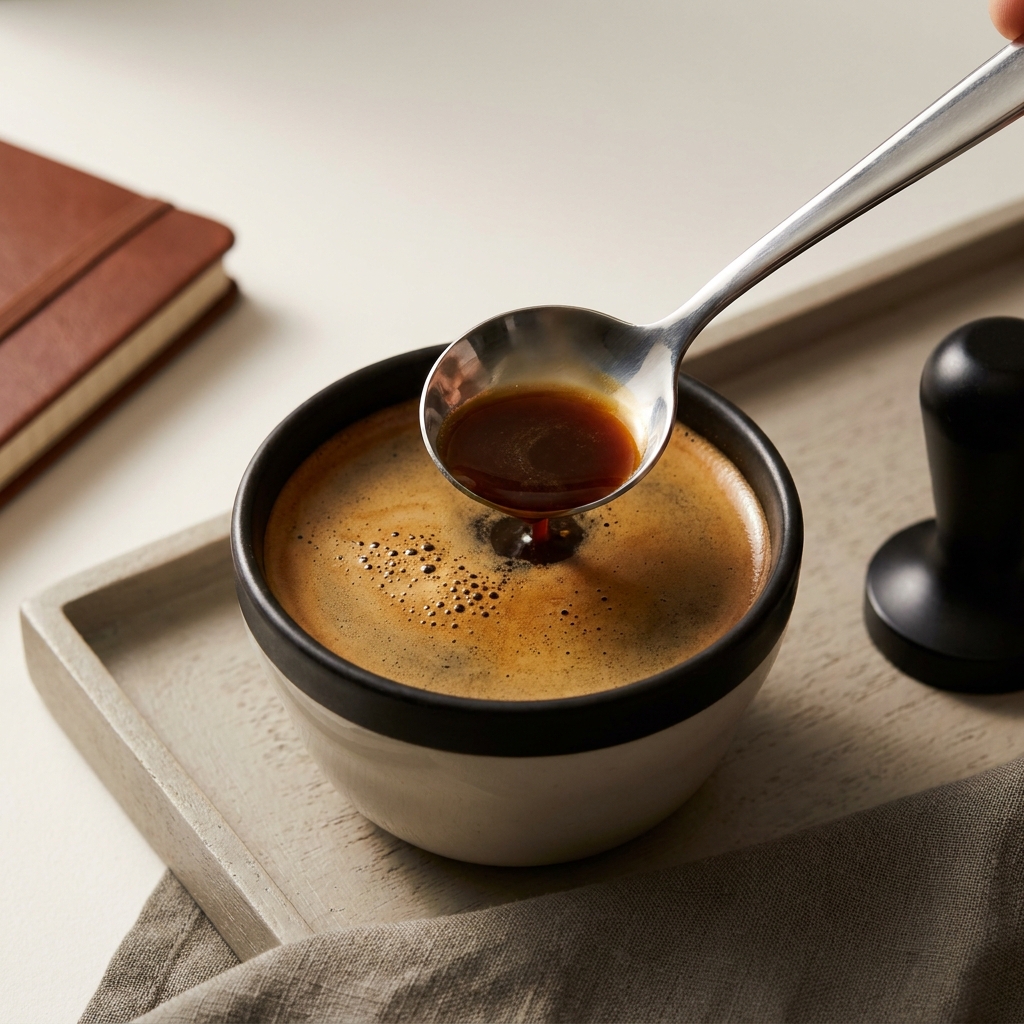
What to ask when someone advertises a score
| Question | Why it helps |
|---|---|
| Which form and version were used? | The assessment framework determines what the number represents. |
| Who evaluated the sample? | A named process is more informative than an unexplained marketing number. |
| What preparation and sample were assessed? | Compare like with like rather than assuming different samples or preparations are interchangeable. |
| What do the descriptors say? | Flavour notes and preference information can help you judge fit for your intended use. |
| What else is known about the lot? | Physical and extrinsic information add context that a total alone cannot communicate. |
These questions follow the distinction between the CVA's complementary assessments. They help interpret the supplied assessment information; read each result in the context of its sample and protocol.
There is no universal score-band shopping chart
A roaster can set its own purchasing criteria, and an individual drinker can prefer a coffee that another evaluator likes less. Avoid treating narrow bands as guaranteed levels of sweetness, complexity or suitability for espresso. Read any seller's band definitions as that seller's explanation, not as a promise shared by every assessment system.
For retail buying, use the score alongside the actual tasting notes, roast description, intended brewing method and product information. If a purchase depends on a small numerical difference, ask for the underlying assessment or a representative sample rather than assuming the larger number settles the choice.
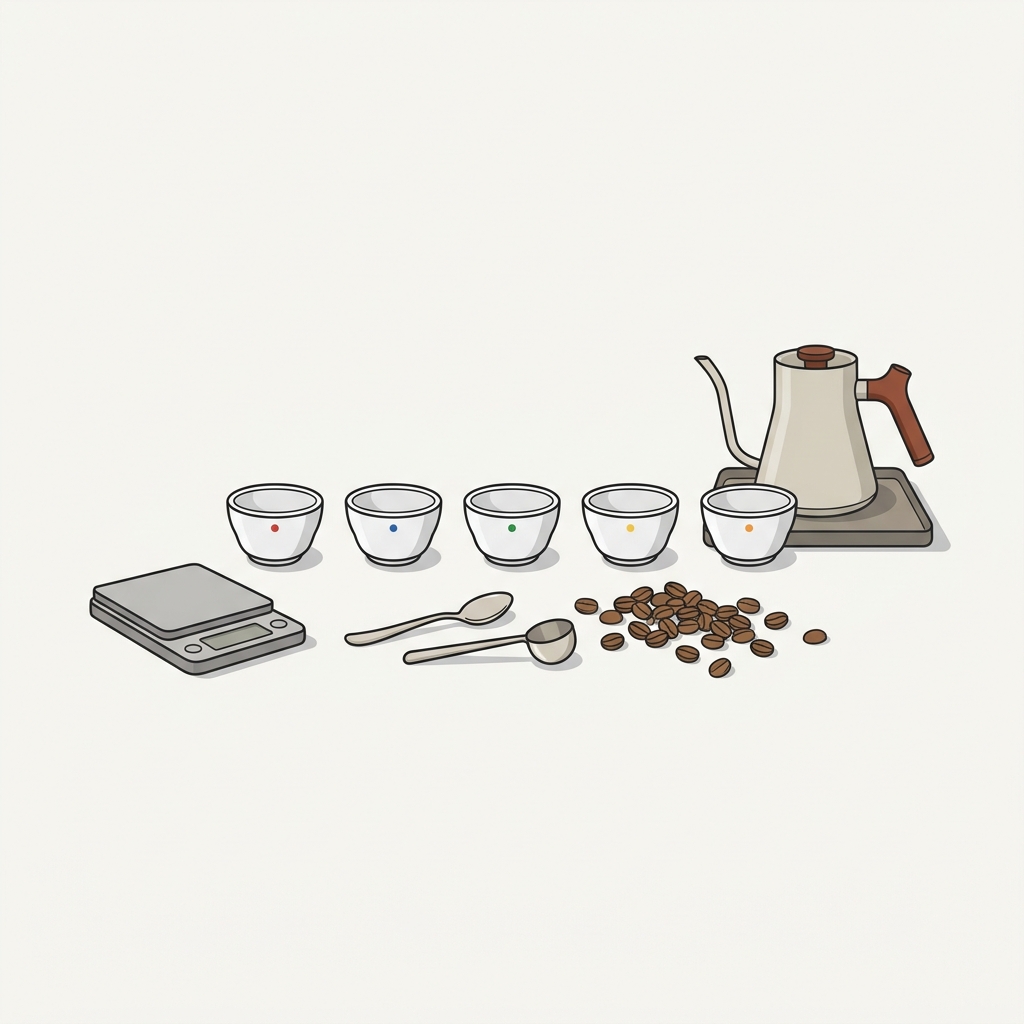
Interpret a published cupping score
Use cupping to understand your own preferences
For a practical introduction, our guide to cupping coffee at home explains the comparison process. If you follow a formal assessment, use its actual preparation instructions. Keep the water and other variables consistent; our coffee water-temperature guide provides related brewing context.
FAQ
Does 80 automatically mean I will like the coffee?
No. A number from a named assessment does not guarantee your preference. Read the descriptors and consider the coffee's intended use.
Did CVA remove the need for careful evaluation?
No. The CVA framework separates complementary information so evaluators and buyers can understand a coffee's attributes and value more clearly. It does not make one unexplained total a complete description.